Experiences in Doha / تجارب في الدوحة
It had been a really stressful past couple of years and I had barely travelled anywhere. Not that I was an especially touristy person who loved to travel or had a bucket list. It’s just that staying too long in one place, without a change in scenery can induce a certain dullness to life. Travelling to a new place presents itself with freshness, the realization of the vastness of the world we live in, the curiosity that a new language or culture evokes in us. That is precisely what my trip to Doha towards the end of 2025 did for me.
I didn’t feel too out of place though. Wherever we went people speaking Indian languages always seemed to be around us. I heard a spatter of Malayalam here, Tamil there, Hindi somewhere else. Having people speaking familiar languages around me put me at ease I guess. I know how absurd it sounds - travelling to a foreign country and searching for familiarity. But I guess when everything is new, some familiarity helps 🤷. Tbh though, language was never really a problem either way. Every board, every hoarding had names in Arabic and in English as well.
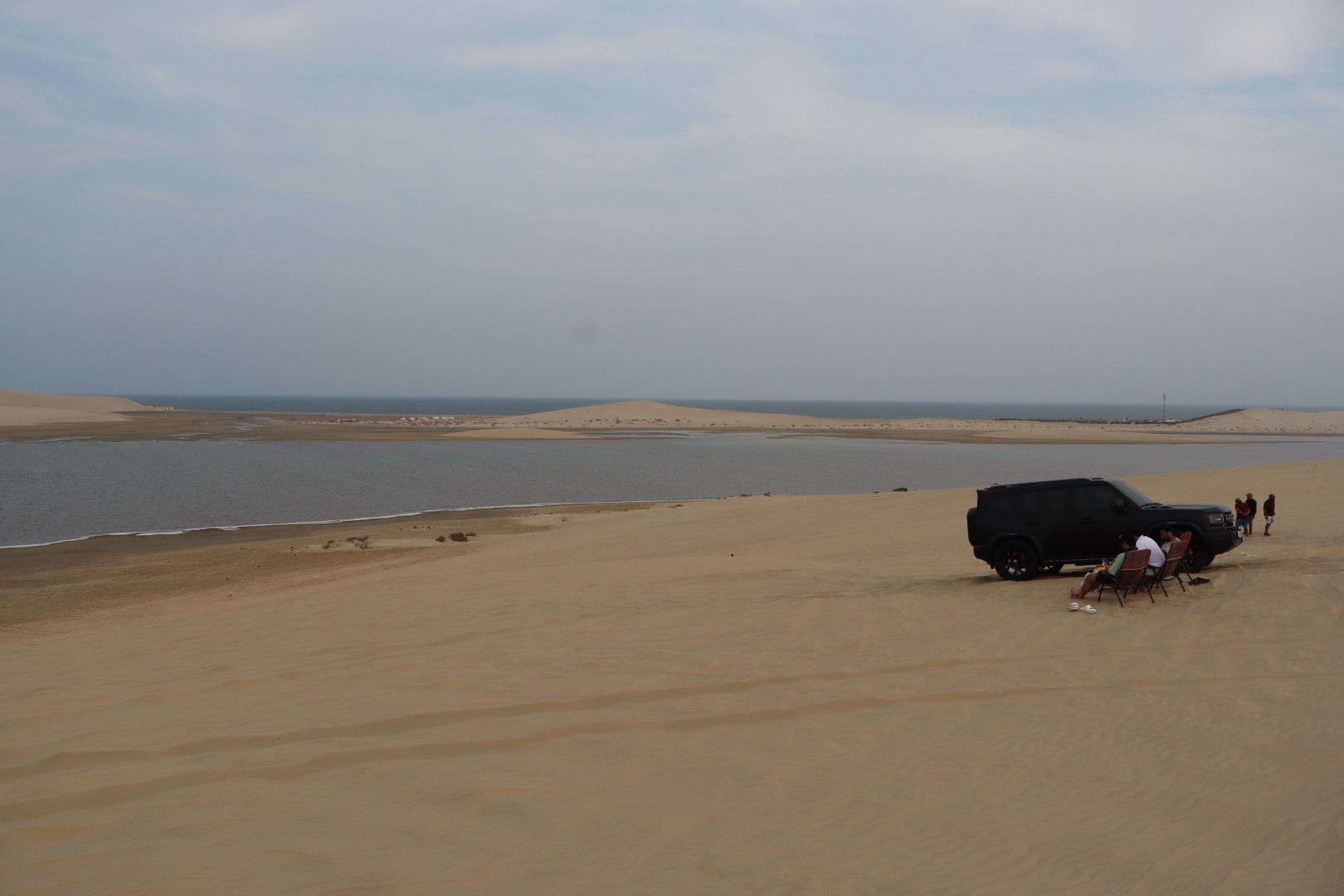
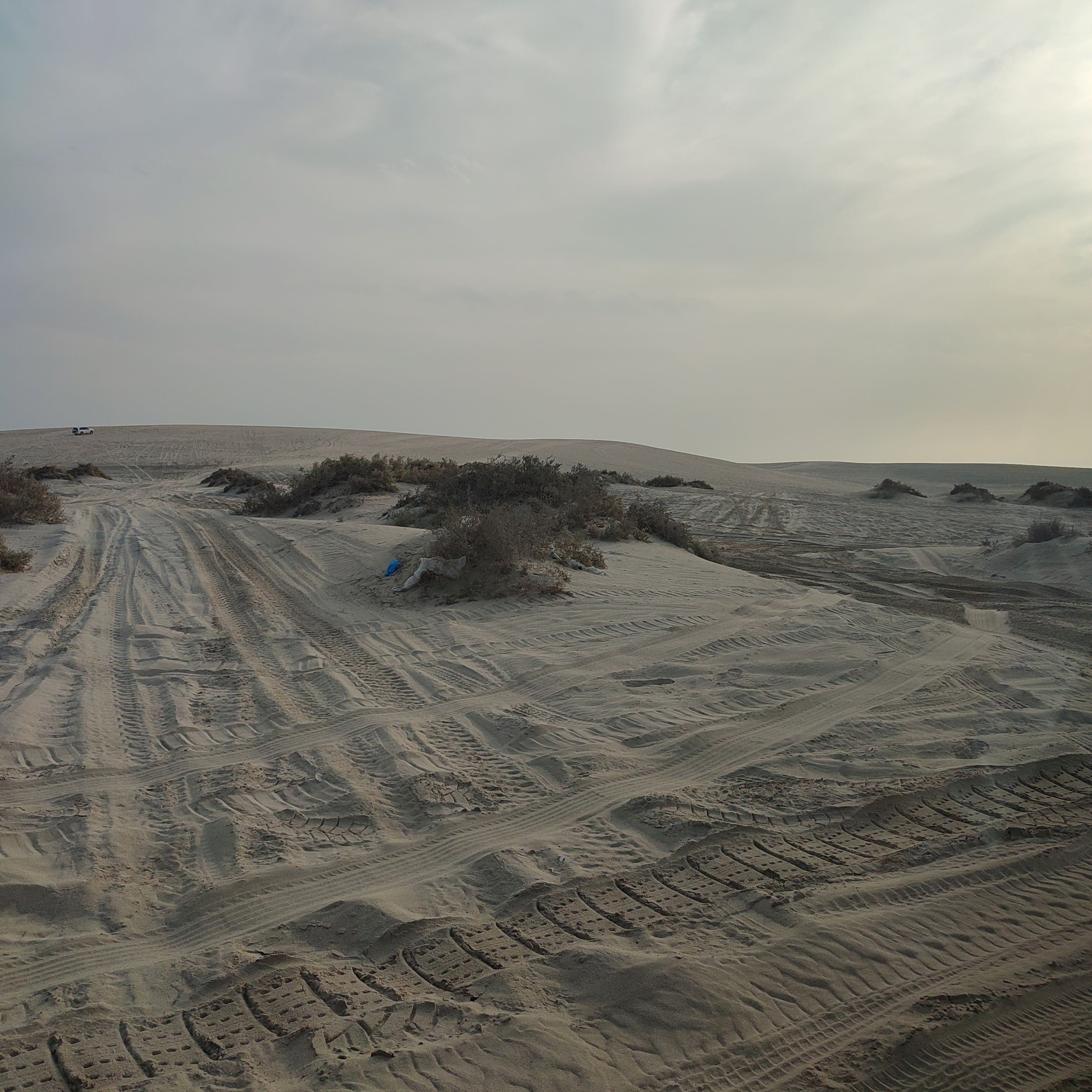
Sand dunes
The documentaries (talking about The Mummy (1999) starring Brendan Fraser btw) about the desert I had seen many years ago and the famous childrens stories I had read as a child, all of which I thought I had forgotten came back to me as we went on a desert Safari. Actually, I guess they resurfaced to my conscious mind, as we all were thrown around in our seats as the land cruiser conquered one sand dune after another.
Al Corniche
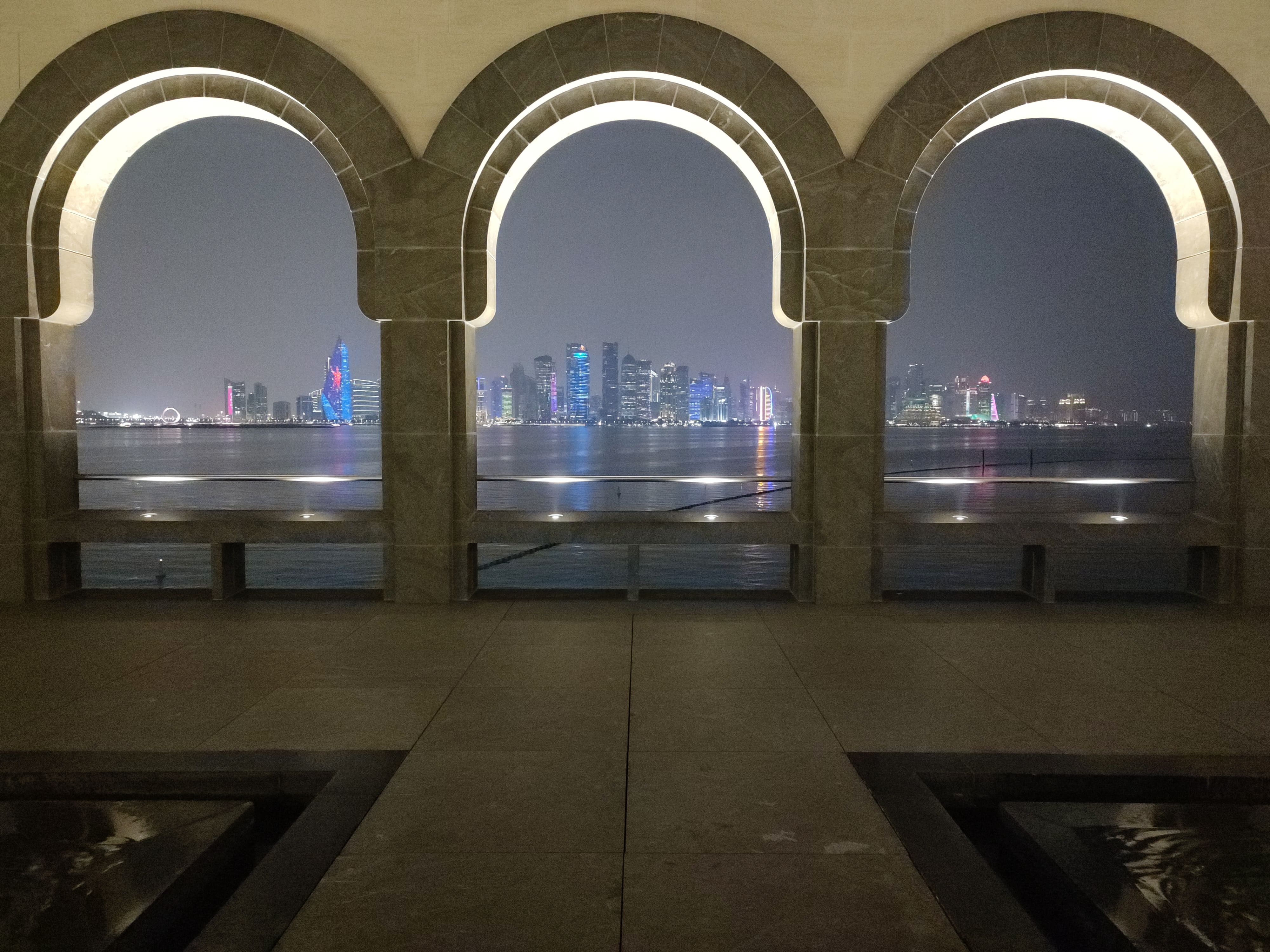
The Corniche (Doha’s promenade) was beautiful for nighttime walks. The calm of the late evenings was complemented by the Arabian gulf lapping on the stone barriers. The walkway ran right between the Arabian gulf on one side and well maintained grass on the other. Seeing local families sit around a barbecue, chit-chatting, listening to music with a view of the ocean was a common sight.
A discovery about the numeral system
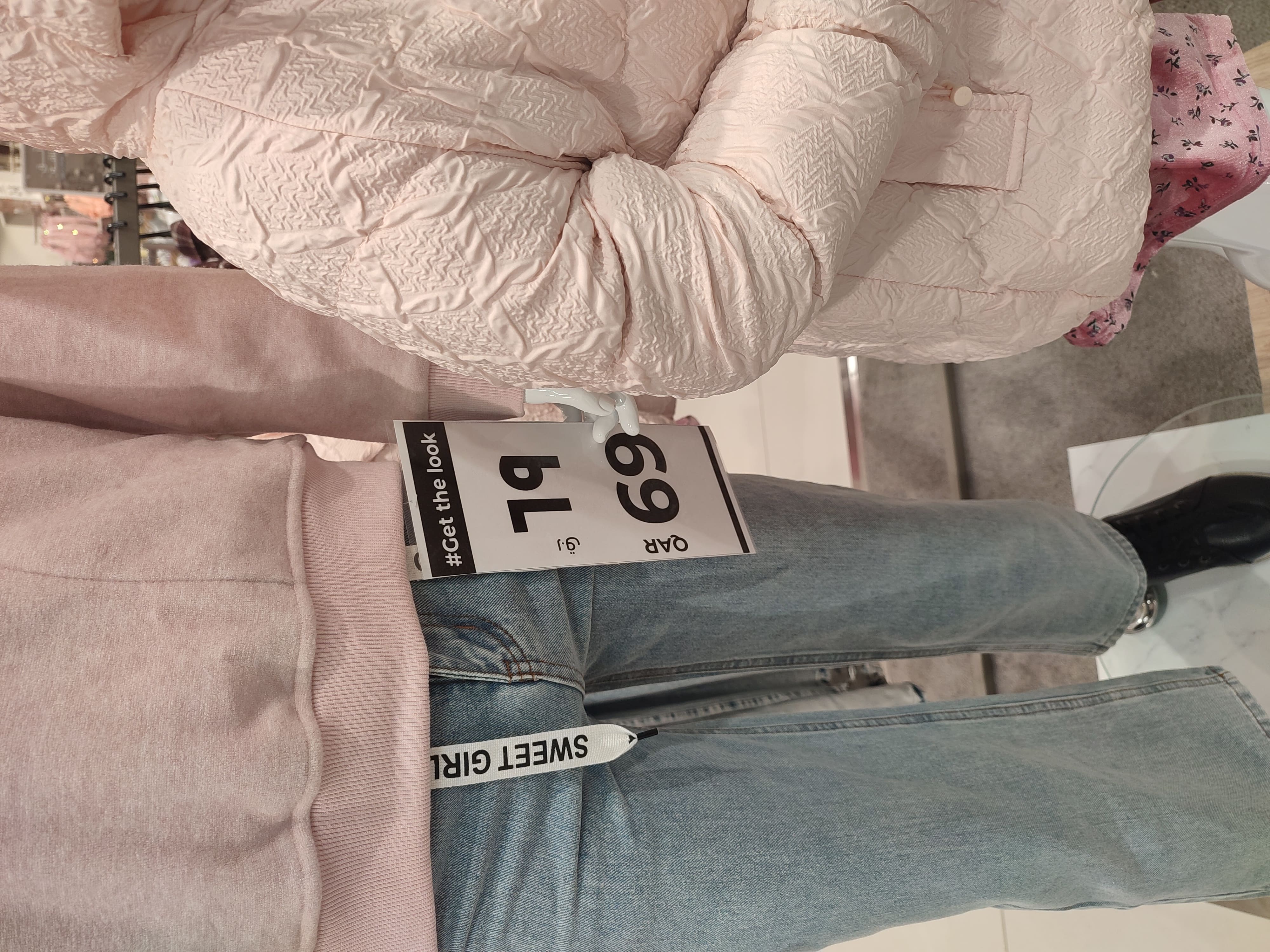
On a shopping trip in Doha, I also realised something about the Hindu-Arabic numeral system. I had so often read that the Western numeral system is essentially the Hindu-Arabic numeral system. While this is in fact true, it is also true that Arabic numerals are not the same as the western numerals. That is to say, the specific symbols used between the two cultures are different but the underlying mathematical system of base 10 is the same. The Arabic symbols were quite close to the Western numeral symbols though. Have a look for yourself:
Museum of Islamic Arts (MIA), Doha
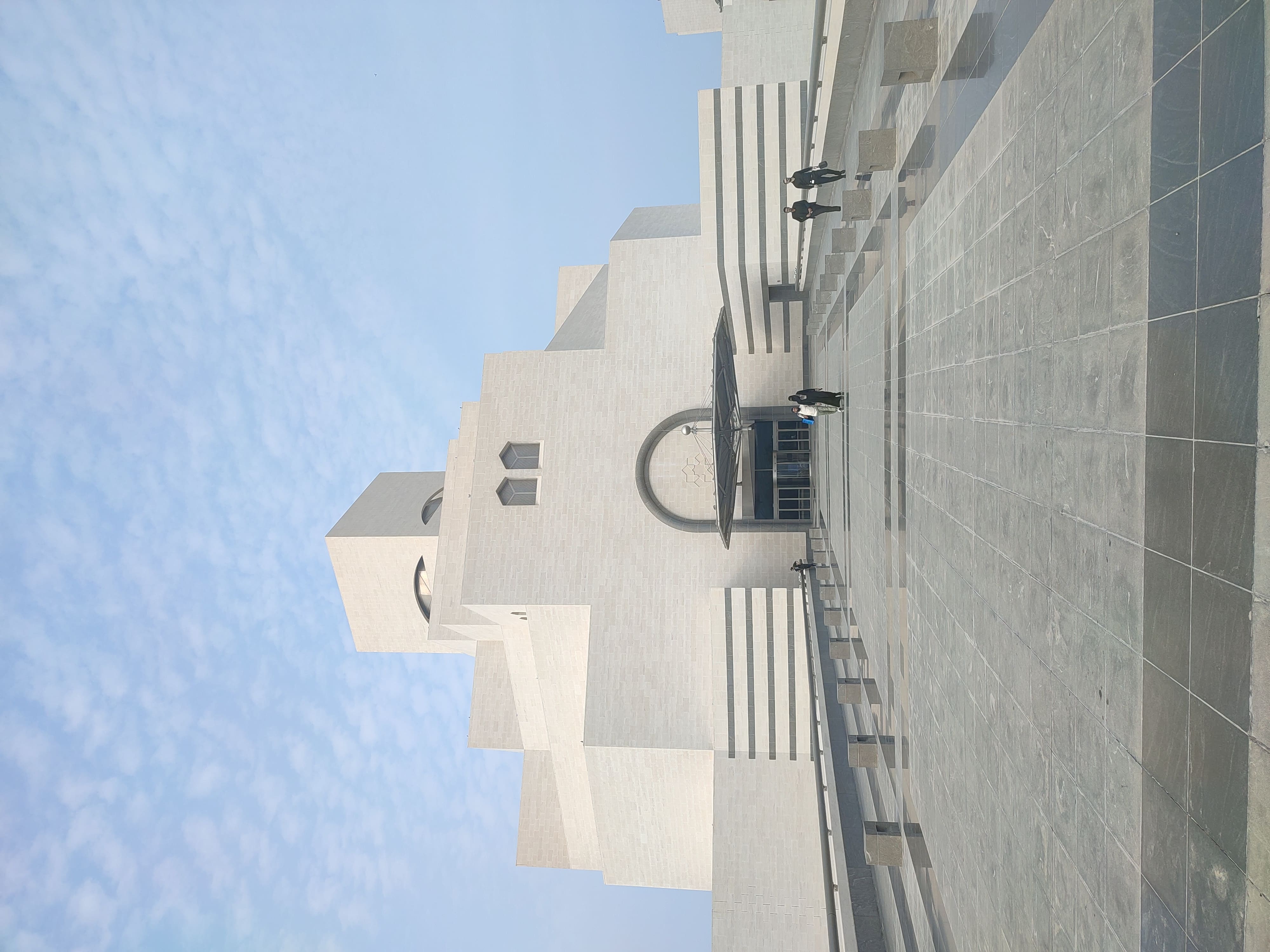
Visiting the Museum of Islamic Arts (MIA) in Doha was an extremely enriching experience too. As a history enthusiast and somewhat of a culture nerd I really enjoyed diving deep into the origin and spread of Islam, the various Islamic empires and how the region, religion and language influenced their respective reigns. The majestic structure of the MIA construcuted on a man-made island on the coast of the Arabian Gulf was itself a sight to behold.
Inside, there were multiple floors of artefacts from centuries and centuries ago that reminded me what a truly infinitesimally small part of human history all of us make up.
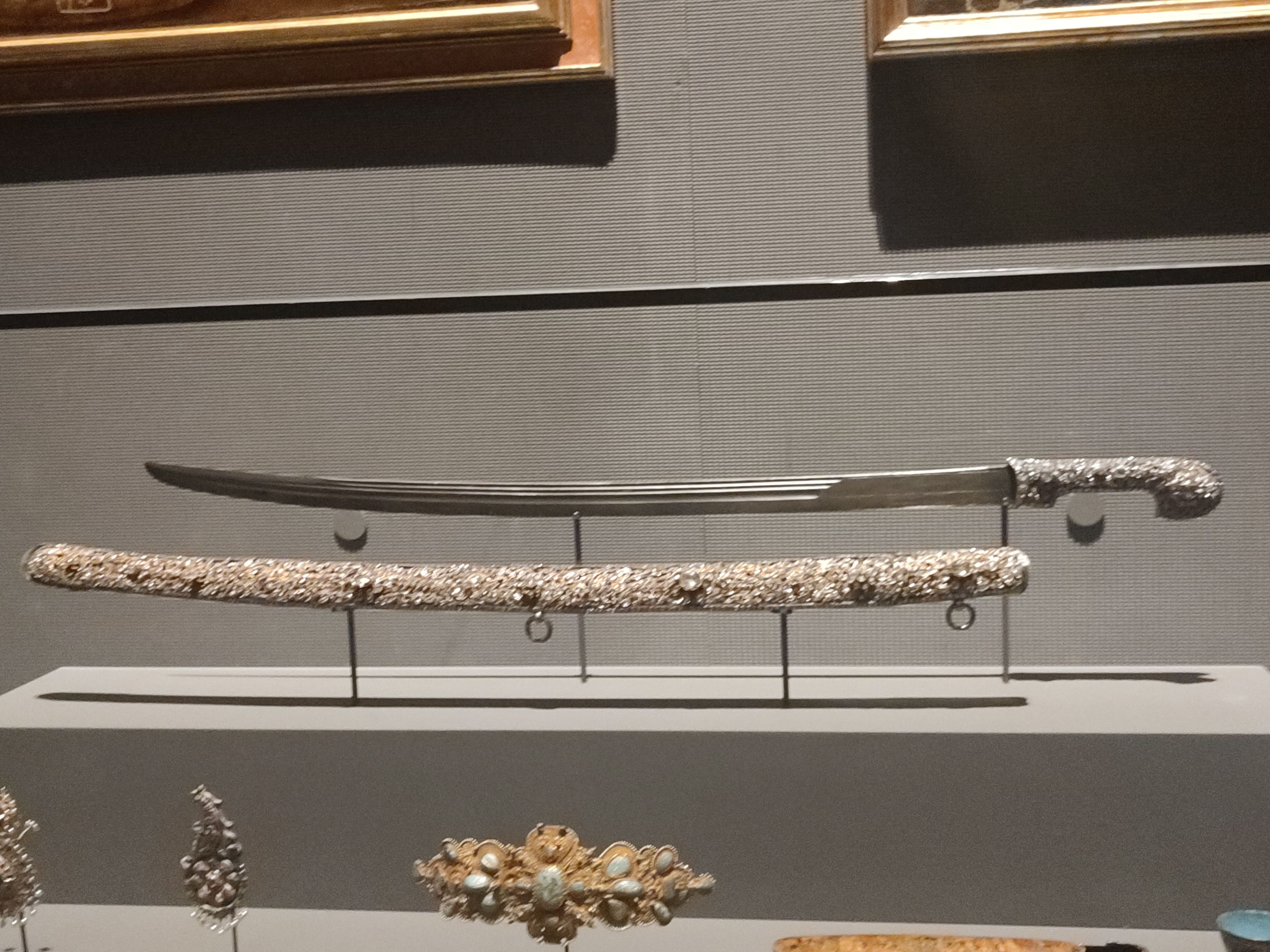
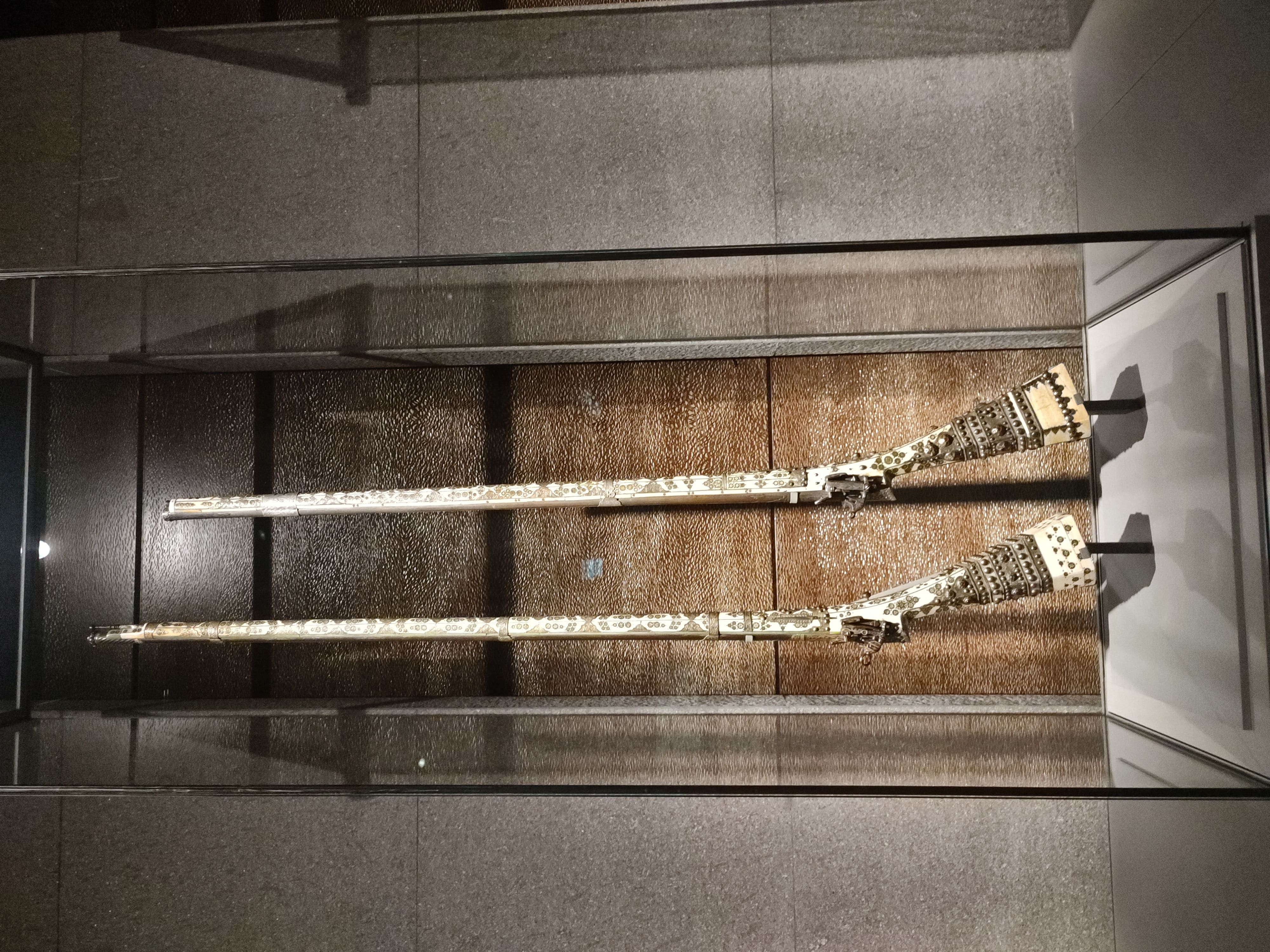
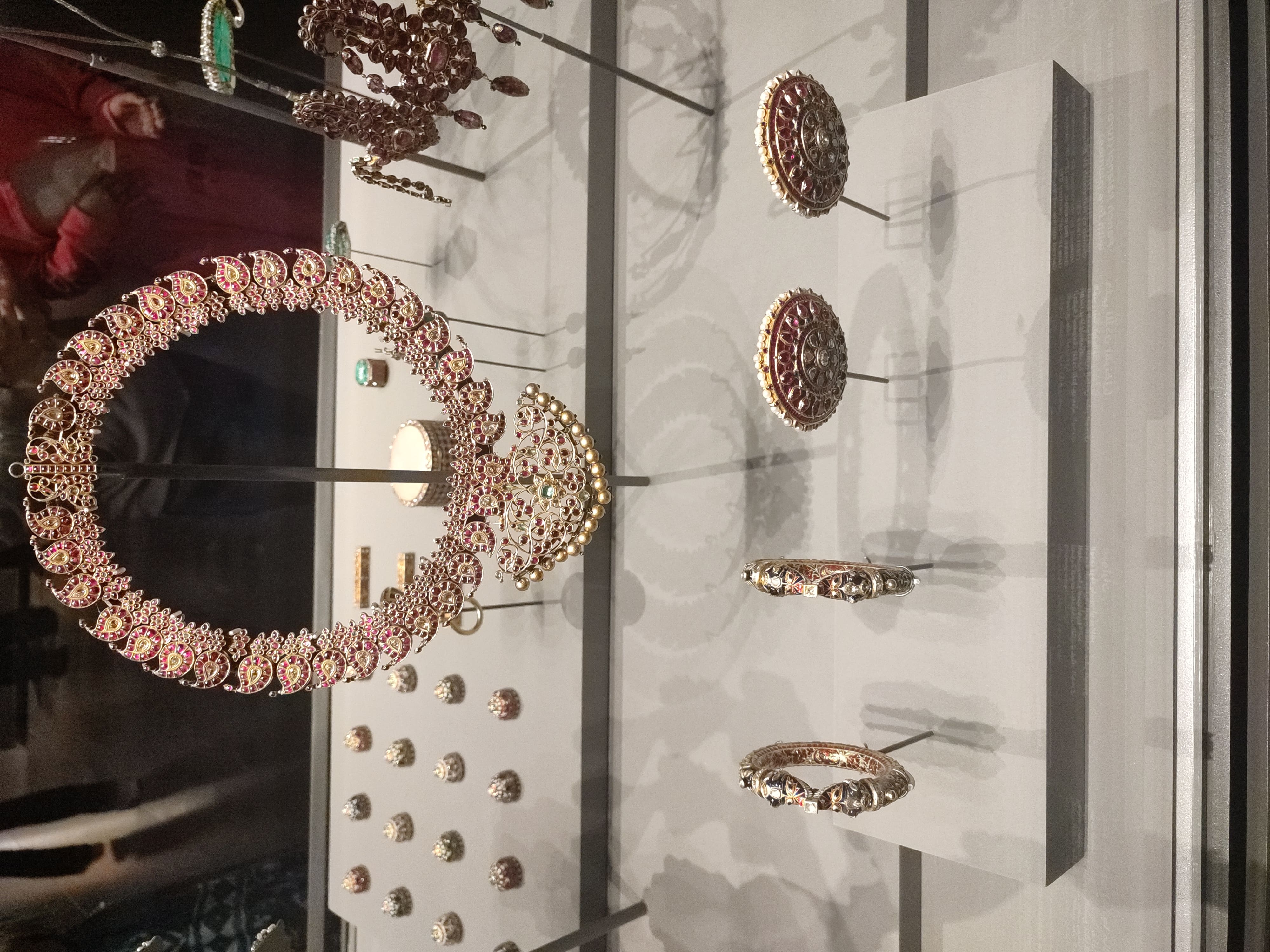
On every floor I could find swords and rifles and daggers and dresses all studded with the choicest of precious stones, sometimes even more so than the actual antique Islamic jewellery on display! The whole place shone of opulence and mystique.
A few examples:
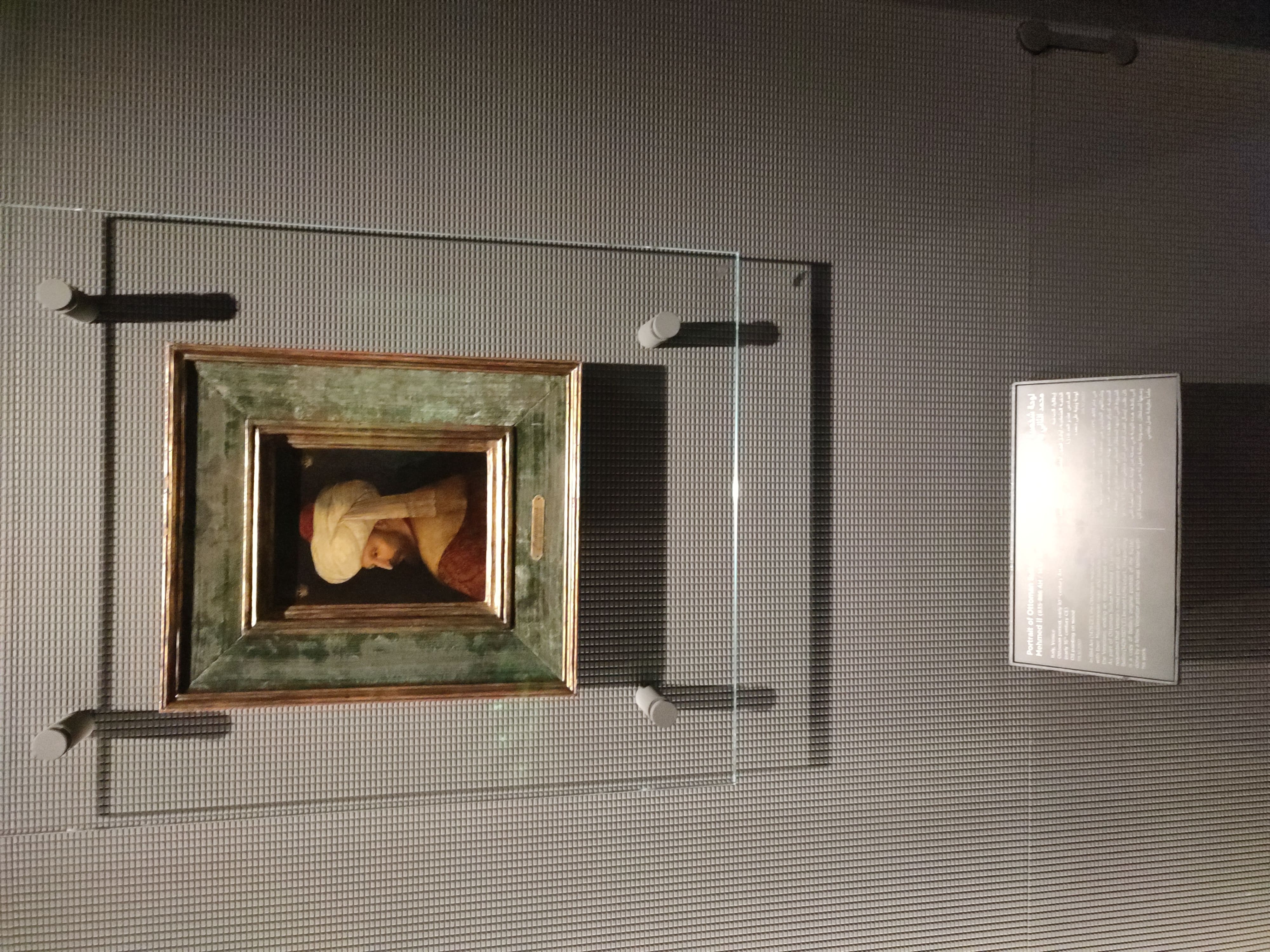
I found one specific piece of history in the museum quite fascinating. If we look at a map, Turkey and Italy form integral parts of the coastline of the Mediterrenean Sea. The Ottomon empire and the Venentian traders in Italy were hostile trade rivals over the Mediterrenean. In 1479 CE, both parties finally negotiated a treaty to make business easier. As part of this treaty, the then Sultan of the Ottomon empire, Sultan Mehmed II requested that Venice’s most famous artist, Gentile Bellini be sent to his court. The MIA had a respected copy of the original painting by Bellini on display. Guess who has the original? (Psst.. it’s in the The National Gallery in London lol).
Focus on India
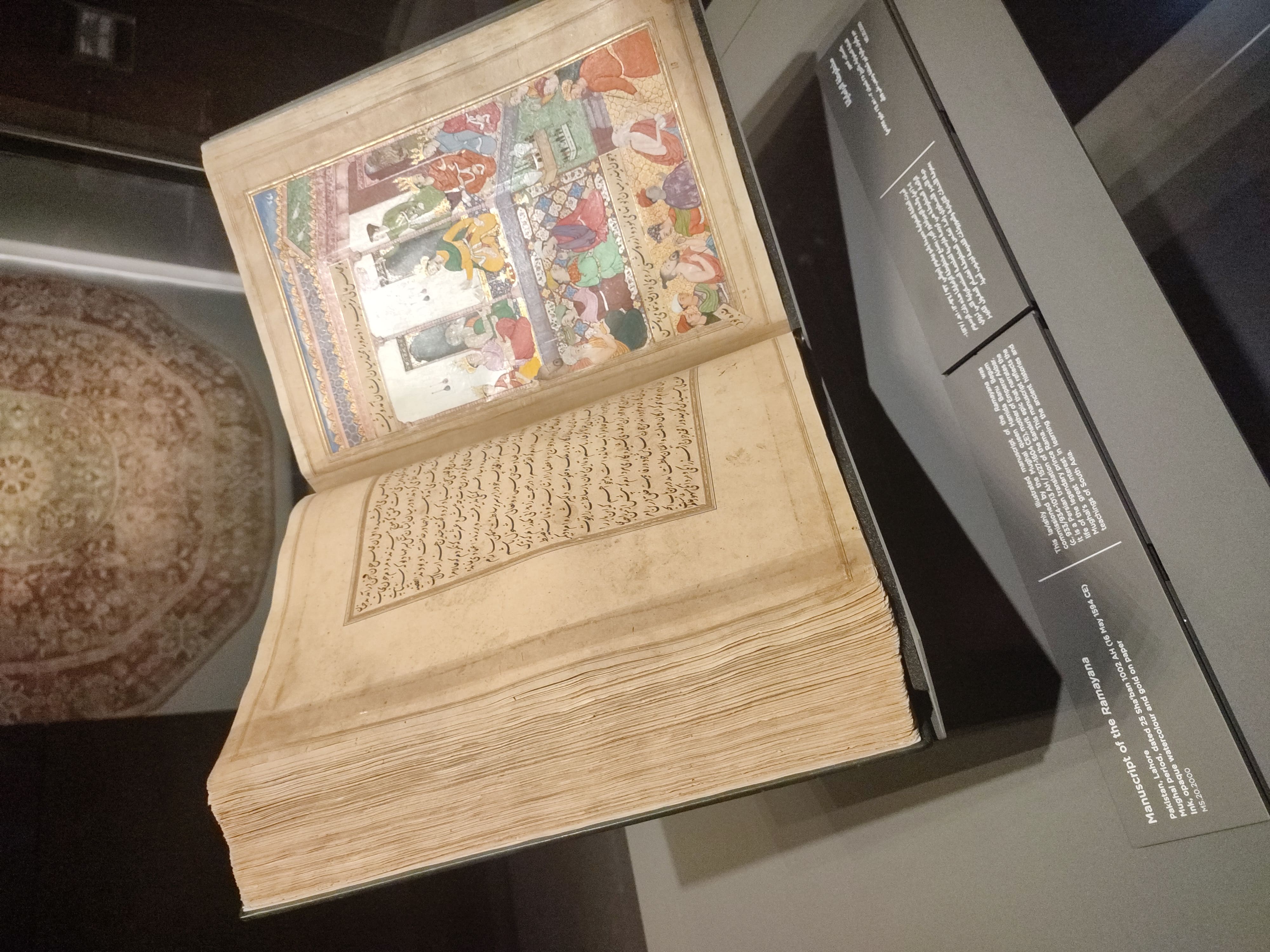
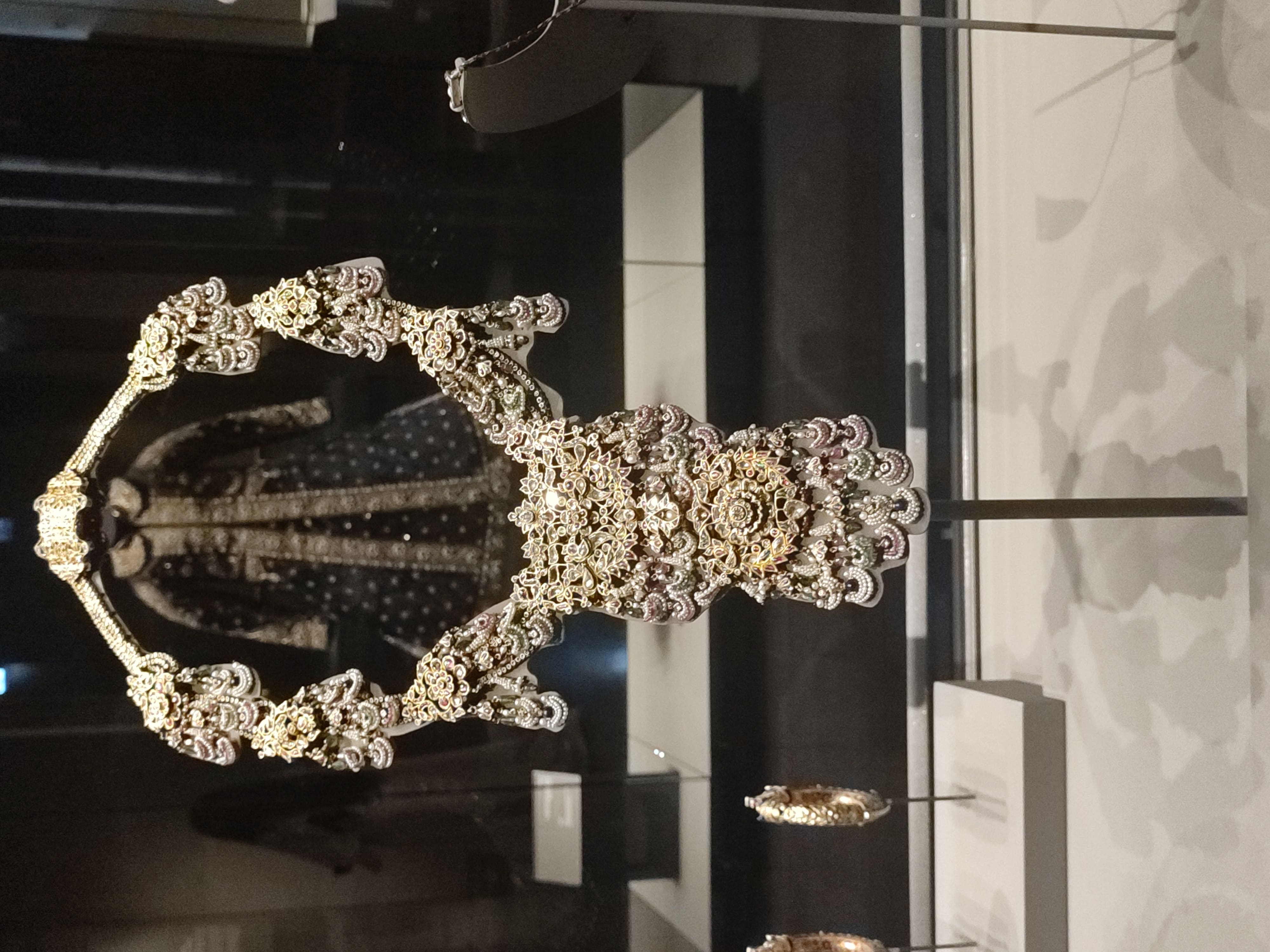
The museum also had an extensive collection of Mughal artefacts from India. Among the most striking ones was an extensively illustrated Ramayana found in Lahore, Pakistan (confusing religious hardliners I guess..?) in 1594 CE, commissioned by Akbar’s mother. Needless to say, the collection of royal Mughal jewellery was a sight to behold. Most surprising to me, as a Tamil was an intricately designed gold necklace which I thought to myself looked very much like a Maanga maalai (literally translates to mango necklace for the mango shaped extensions to the main neckset). And sure enough, that’s what the sticker below the necklace said too. Not mango necklace or some other such enshittification of the name, rather literally “Maanga maalai”.
Souq Waqif
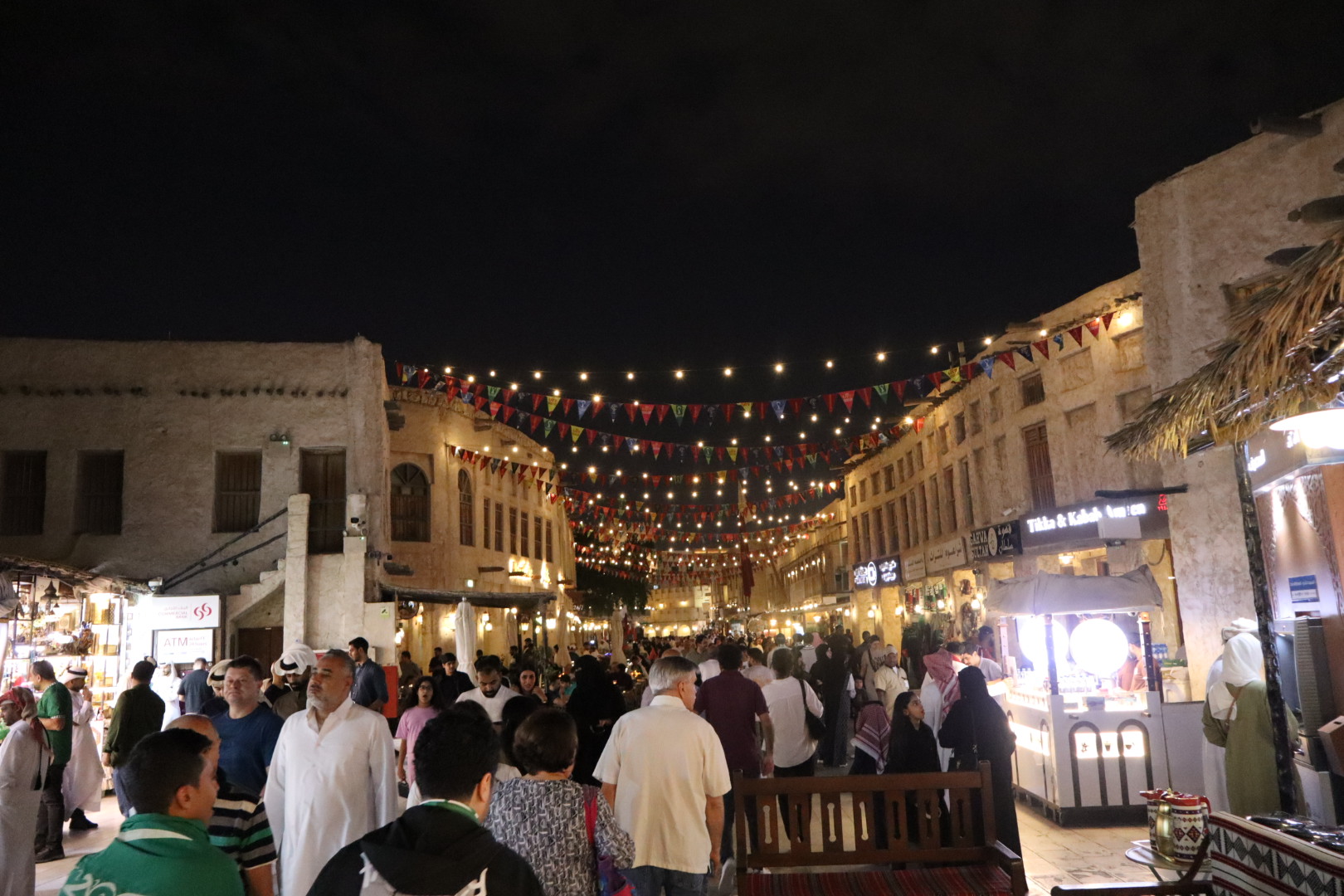
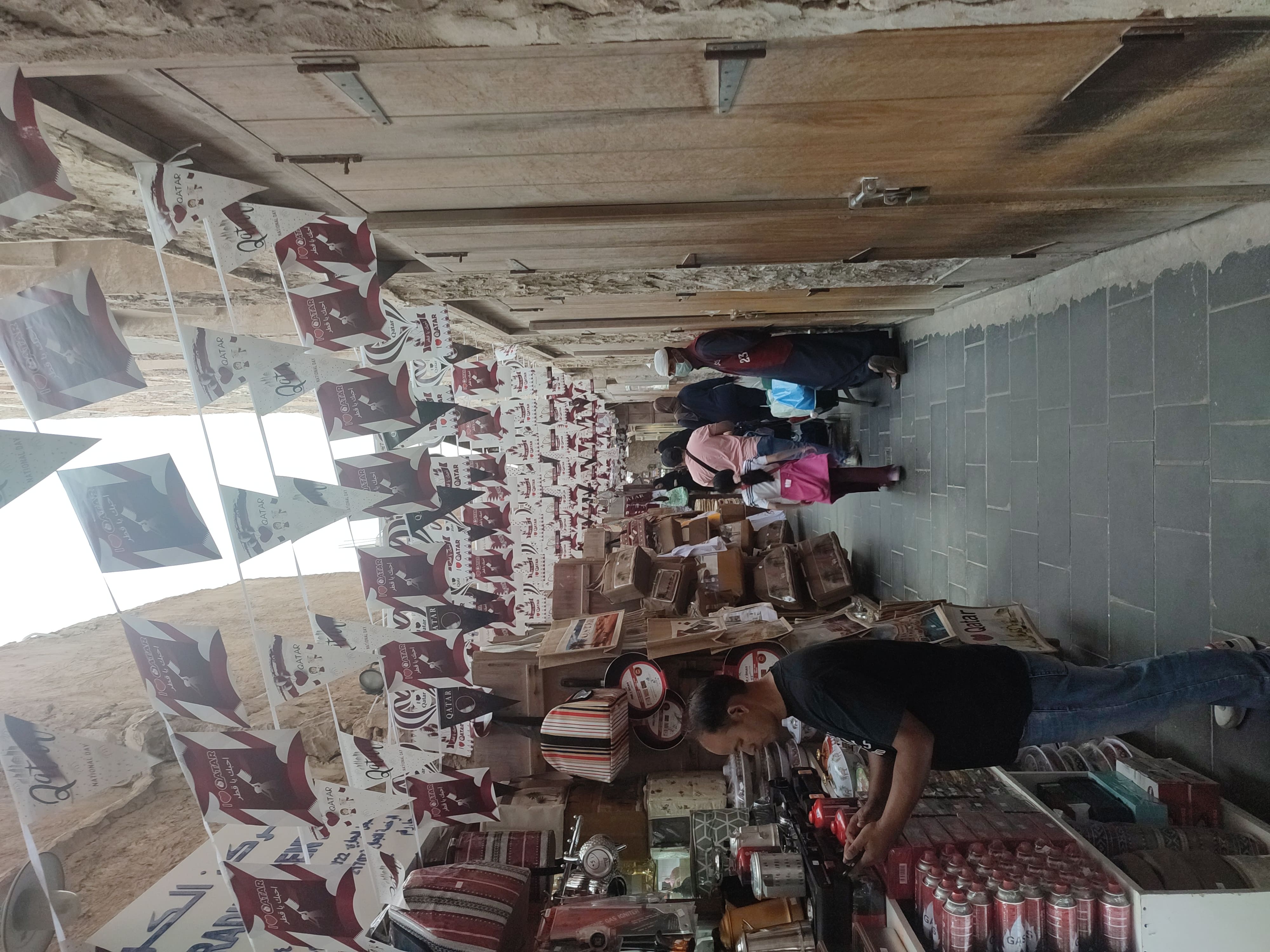
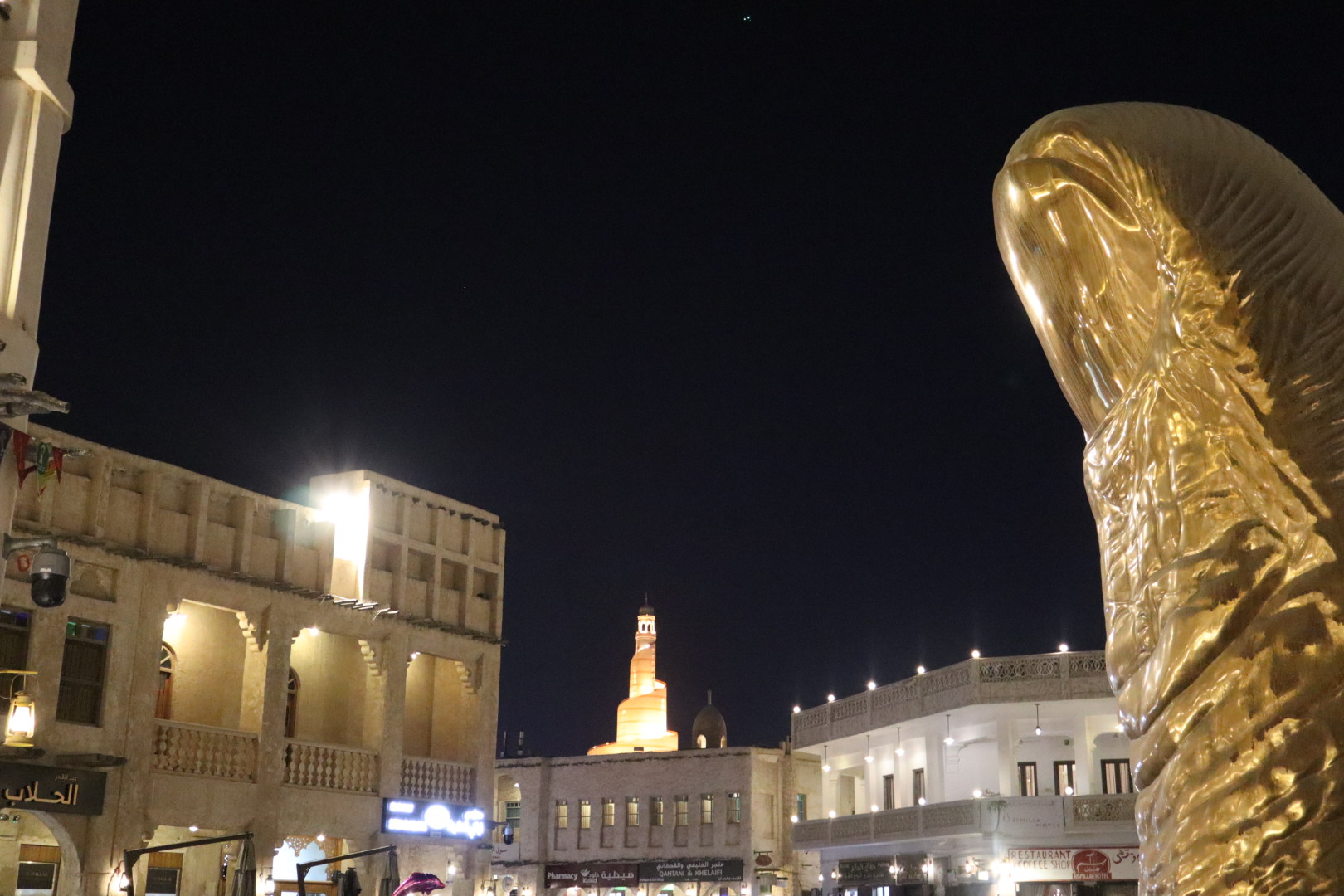
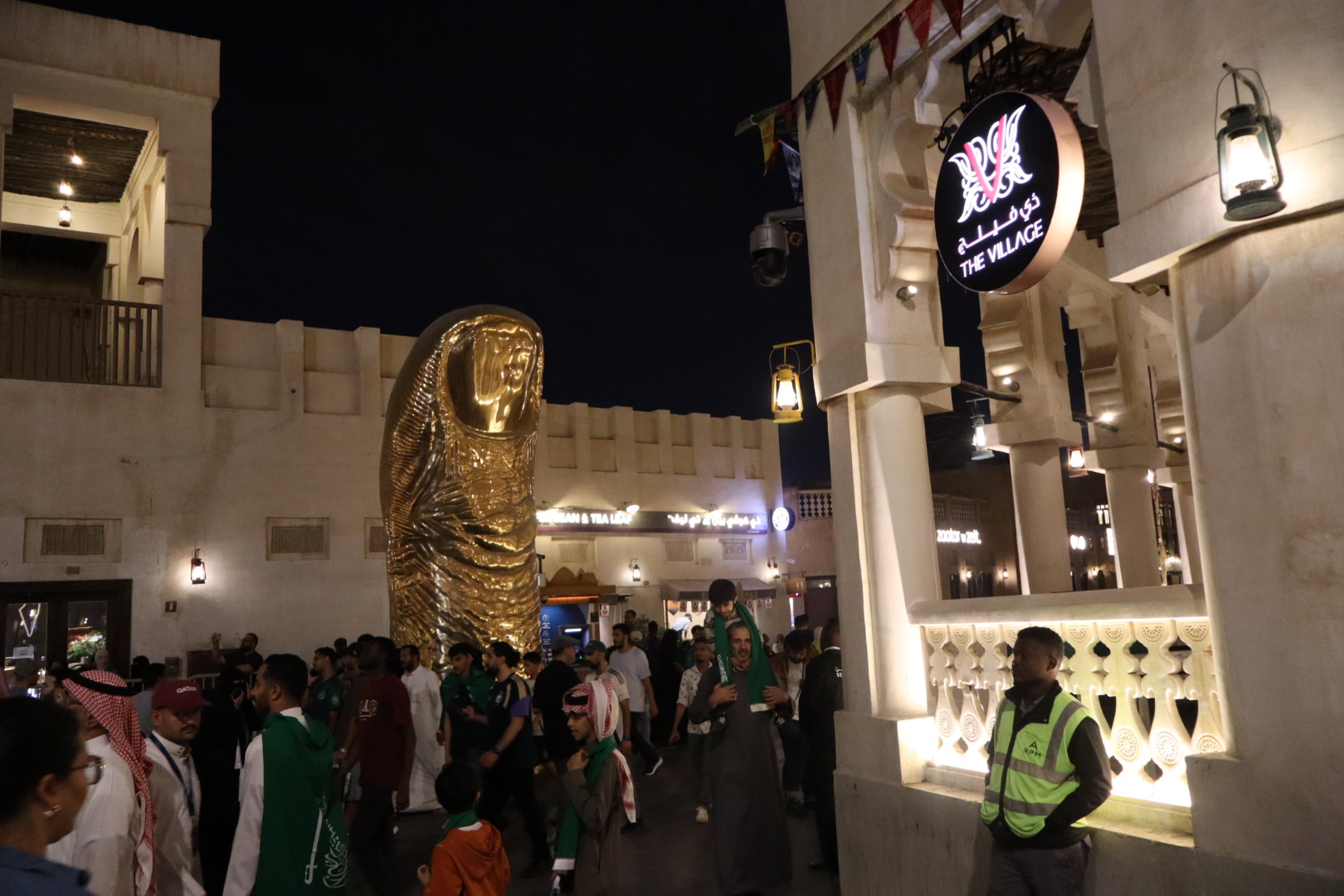
Visiting Souq Waqif (later came to know Waqif means market in Arabic) was another culturally enriching experience. This seemed to me to be the Arab culture equivalent of the Altstadt (or old city) beautifully preserved and thriving in many European cities.
The narrow lanes, tourists bargaining with shopkeepers over prices, the intricate maze like setup of the market that reminded me of the maze in the Triwizard tournament in Harry Potter - all of it gave a real taste of what it would have been like to live in an earlier era in Qatar.
Back Home
The fact that I had not gone on a short trip, rather I had time to live and experience the place like a resident really helped me get acclimatized to the place. The public transport was efficient, the cities were clean, the highways were never ending, the coastline forever serene and calm and the desert omnipresent - influencing the language, culture, food and so much more.
As I came back home, the dullness that I had previously associated it with was gone, replaced by a renewed energy to take on new challenges.
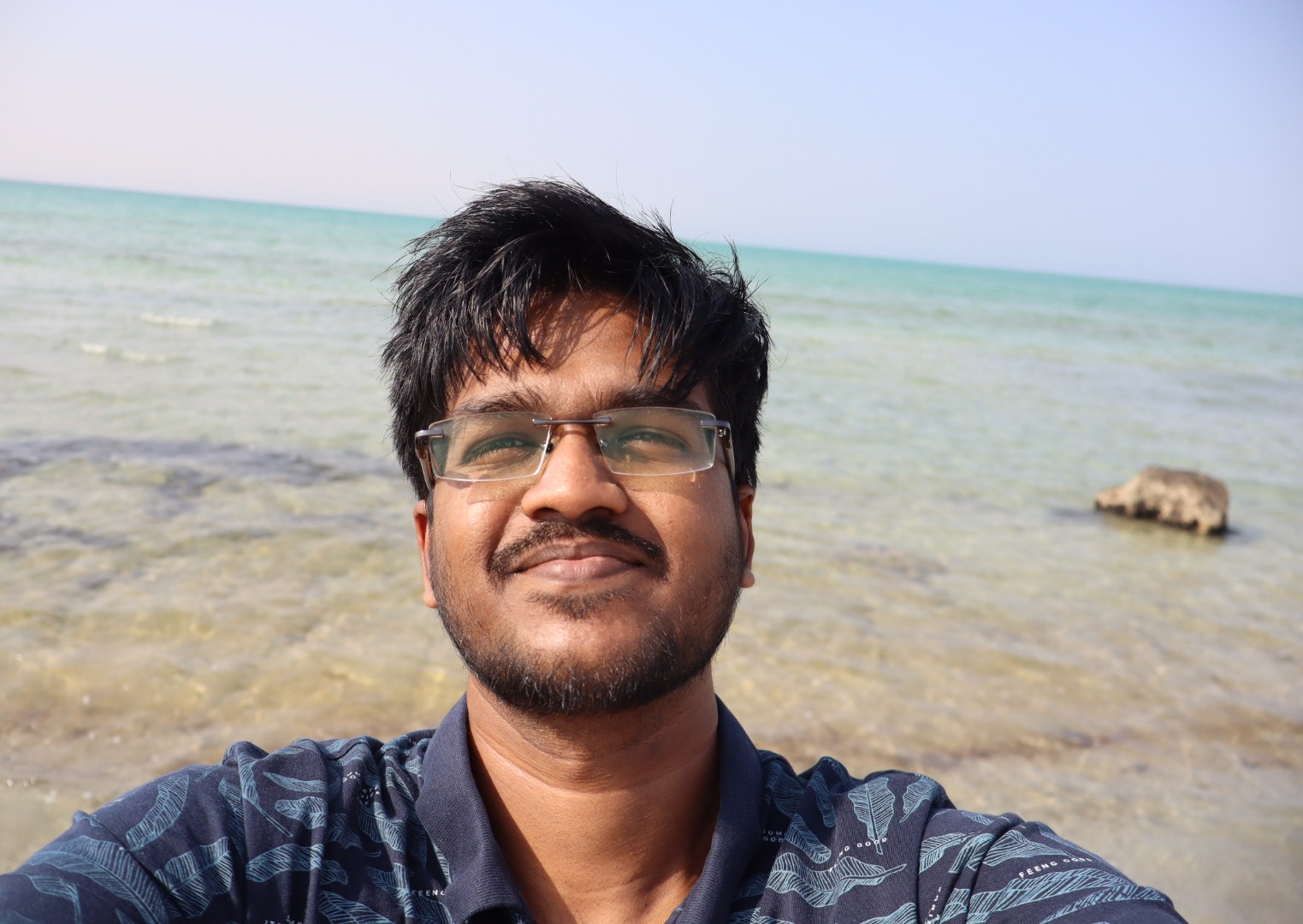
If you’ve made it this far, here’s me bidding bye for now with a picture of yours truly from the Arabian Gulf.